
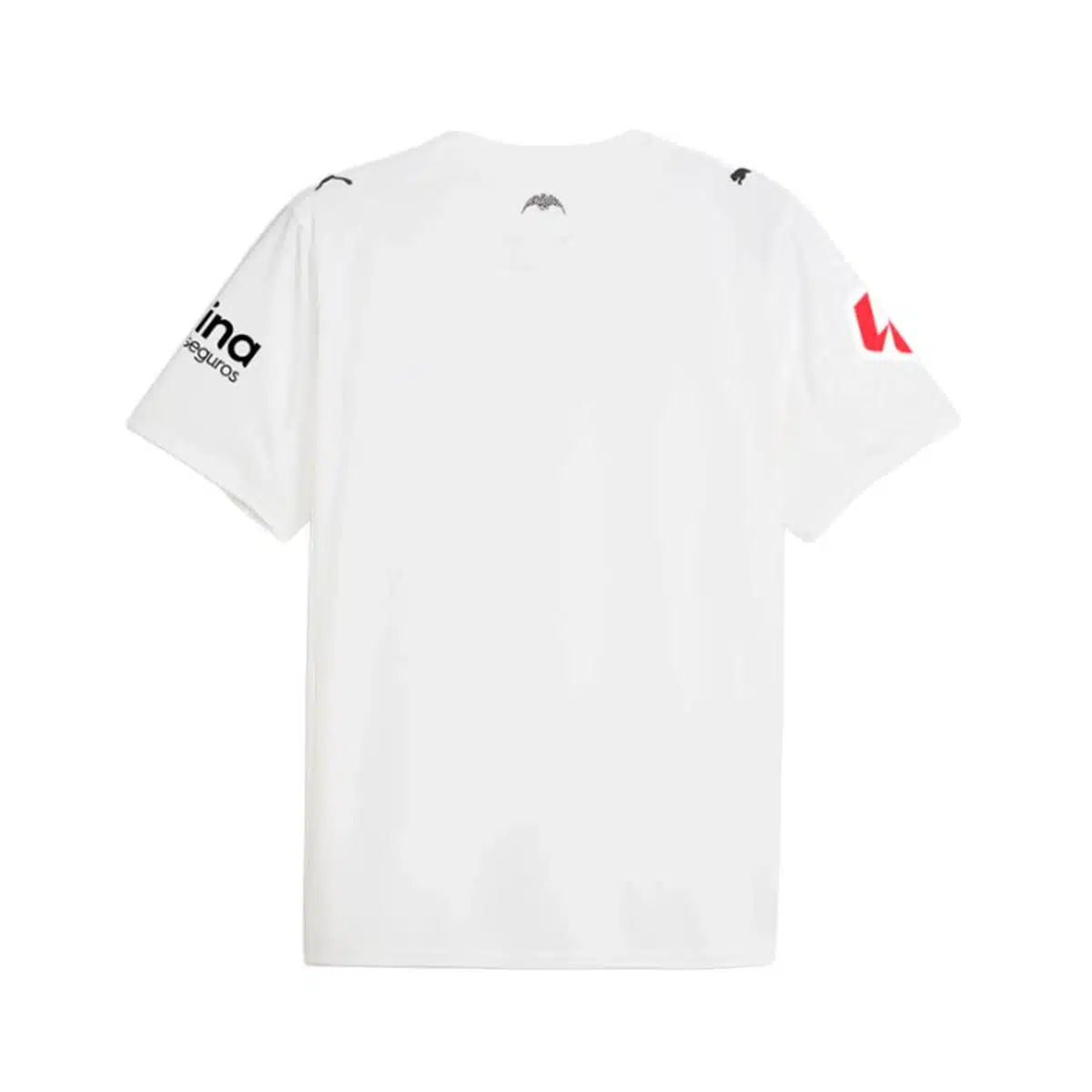
The fastest way to ruin a favourite soccer jersey is not wearing it hard. It is washing it wrong. Hot water, a harsh spin, and a hot dryer can fade colours, crack printed names and numbers, and shrink a comfortable fit in a single cycle. The good news is that washing a jersey well is simple once you know the rules. Turn it inside out, wash it cold and gentle, skip the dryer, and let it air-dry. This guide walks through each step, so your shirt keeps its colour, shape and print for many seasons.
Every shirt is a little different, so check the care label inside the hem before you start. It will tell you the safest water temperature and whether the shirt can go in a machine at all. If the label and this guide disagree, follow the label. As a general rule, wash jerseys with similar colours and fabrics, and never throw a light white shirt into a load of dark, heavily soiled clothes. Zips, buttons and rough fabrics from other garments can snag printed areas and pull at seams, so keep the jersey load gentle.
Before washing, turn the jersey inside out. This one habit protects the most visible parts of the shirt: the club crest, sponsor print and any name or number on the back. Inside out, those prints rub against the inside of the shirt rather than against other clothes, the drum and the door seal. It also reduces fading on the outer face. Close any zips on the load, and if you use a mesh laundry bag, put the jersey in it for extra protection.
Grass, mud and sweat are part of football, but they do not need aggressive treatment. Shake off loose mud once it is dry, rather than rubbing wet mud deeper into the fabric. For a stained area, dab a small amount of mild liquid detergent onto the spot, work it in gently with your fingers, and leave it for ten to fifteen minutes before washing. Avoid bleach, even on white shirts, because bleach can yellow fabric, weaken fibres and damage prints. Avoid harsh stain removers and stiff brushes on printed areas, which can lift lettering and crack numbers.
Sweat odour is best handled by washing promptly rather than by using extra detergent or a very hot wash. Leaving a damp, sweaty shirt bunched up in a bag for days lets odour set in and can encourage mildew. If you cannot wash it straight away, hang it up to air out first. A short soak in cool water with a small amount of mild detergent can help a very sweaty shirt, but do not soak printed shirts for hours, and never soak them in hot water.
For most modern fan-inspired jerseys, a machine wash on a cold, gentle or delicates cycle is the safest routine. Cold water, around 30 degrees Celsius or below, protects colours, helps prints last longer, and is kinder to the synthetic fabrics most jerseys are made from. Use a mild liquid detergent and use less than you think you need. Excess detergent does not clean better; it leaves residue that can stiffen fabric, trap odour and dull colours.
Skip fabric softener. Softener coats synthetic fibres, reduces breathability, and can leave a film that makes a shirt feel clammy and smell stale over time. It can also interfere with printed areas. Likewise, skip bleach and optical brighteners on coloured shirts. Choose a short, gentle cycle rather than a long, heavy one, and avoid a high spin speed if your machine lets you choose. A slower spin leaves the shirt wetter, but it puts far less stress on seams and prints.
If a shirt means a lot to you, or it has delicate printing, hand washing is the safest option of all. Fill a basin with cool water, add a small amount of mild detergent, and swish the shirt gently. Let it soak for ten to twenty minutes, then press the water through the fabric rather than wringing or twisting it. Rinse in clean cool water until the water runs clear. Hand washing takes a few extra minutes, but it is the best way to protect a treasured retro shirt or a shirt with a name and number you want to preserve.
Drying is where many jerseys are damaged, so this step matters as much as the wash. Never put a printed jersey in a hot tumble dryer. High heat can shrink synthetic fabric, warp the fit, and crack or peel prints. Even a low dryer setting is risky for printed shirts, and repeated dryer use shortens a shirt’s life noticeably. Air-drying is slower, but it is far kinder.
To air-dry, gently reshape the shirt, smooth out the sleeves, and lay it flat on a clean towel or hang it on a wide hanger away from direct sunlight and radiators. Direct sun can fade colours, especially dark reds and blues, while heat from a radiator can distort fabric. Turn the shirt the right way out once it is mostly dry if you prefer, and let it finish drying in a well-ventilated room. Do not hang a soaking wet shirt on a thin wire hanger, which can stretch the shoulders out of shape.
Most jerseys do not need ironing if they are smoothed out before drying. If you do need to remove creases, never iron directly over a crest, sponsor logo, name or number. Heat is the enemy of prints. If you must iron, turn the shirt inside out, use the lowest setting, and keep the iron away from printed areas. A handheld steamer held at a distance is often a safer choice for light creases, but again, do not steam directly over delicate prints for long periods.
The most common mistakes are easy to avoid once you know them. Washing in hot water fades colour and shrinks fit. Using too much detergent leaves residue and odour. Tumble drying on high heat cracks prints. Bleach weakens fabric and changes colour. Washing a jersey with jeans, towels and heavy items causes friction that wears prints down. Rubbing a stain hard, or scrubbing with a brush, lifts lettering. Each of these feels harmless in the moment, but together they explain why one shirt still looks new after years while another looks tired after a season.
Another mistake is washing too often, or washing a shirt that only needs airing. If you wore a jersey to watch a match and it is not dirty or sweaty, hanging it up to air is often enough. Fewer, gentler washes mean less wear on fabric and print. When you do wash, a consistent gentle routine beats an occasional aggressive deep clean.
Here is a routine that works for most jerseys. Turn the shirt inside out and put it in a mesh bag if you have one. Wash it cold, on a gentle cycle, with a small amount of mild detergent and no softener or bleach. Take it out promptly, reshape it, and air-dry it flat or on a wide hanger away from sun and heat. Store it folded or hung in a cool, dry place, not crammed into a damp bag. That is the whole system, and it takes no more effort than a normal wash once it becomes habit.
If you are building a collection, this routine matters even more. A shirt that is washed gently keeps its colour and print, which is what makes it worth wearing and displaying years later. Treat each wash as part of looking after the shirt, not as a chore to rush through.
A soccer jersey is meant to be worn, cheered in, and lived in, but it will last far longer if it is washed with care. Cold water, a gentle cycle, no dryer heat, and air-drying will protect almost any shirt you own. Start with the next wash, and your favourite shirts will thank you for seasons to come.
Browse the ElevenKick shop for fan-inspired jerseys to add to your collection, and look after them from the very first wash.


We use cookies to improve your experience on our site. By using our site, you consent to cookies.
Manage your cookie preferences below:
Essential cookies enable basic functions and are necessary for the proper function of the website.
These cookies are needed for adding comments on this website.
Statistics cookies collect information anonymously. This information helps us understand how visitors use our website.
Marketing cookies are used to follow visitors to websites. The intention is to show ads that are relevant and engaging to the individual user.
You can find more information in our Cookie Policy and .