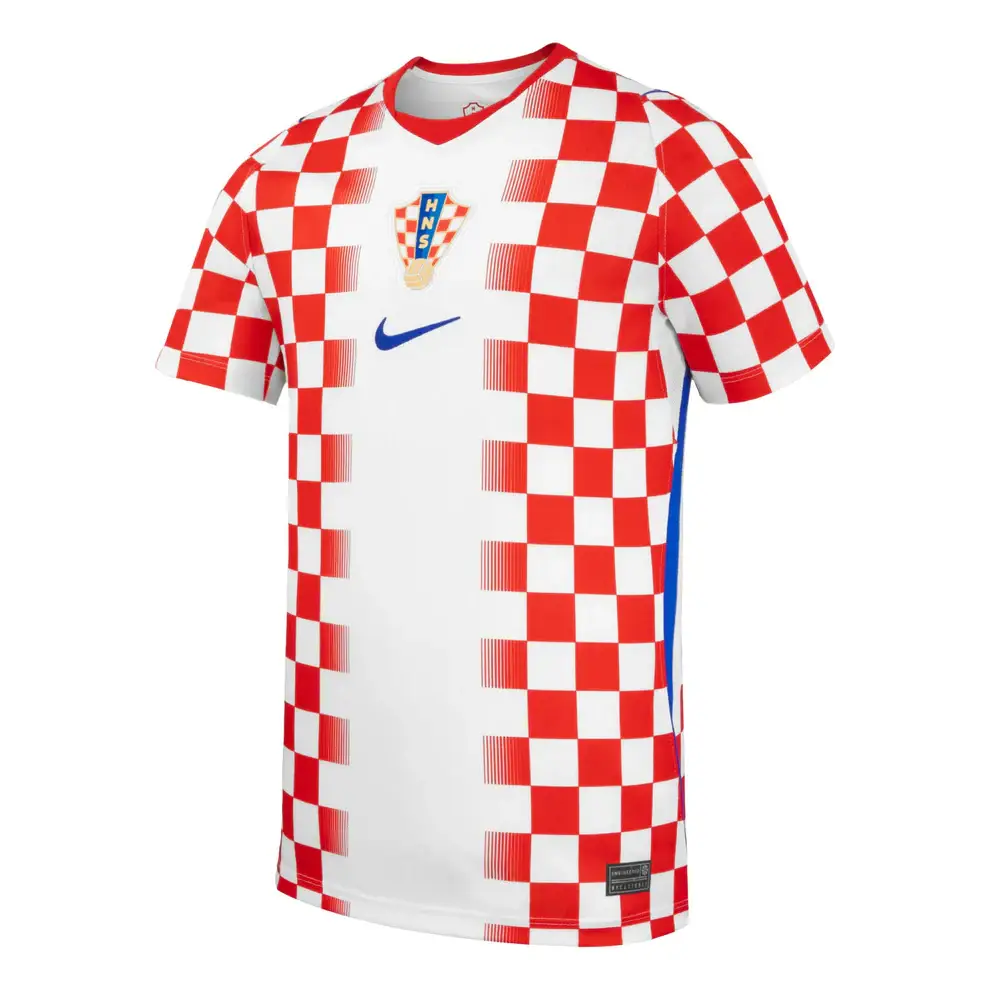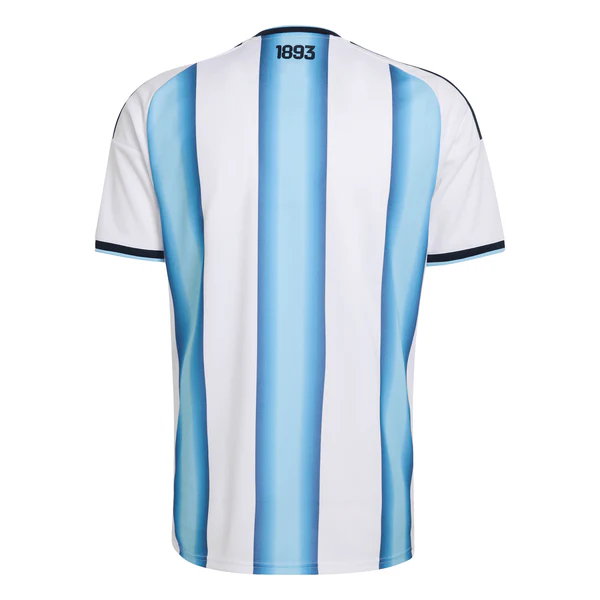
The number on the back of a soccer jersey is much more than a way to tell players apart. It is a shorthand for a position, a piece of club history, and sometimes a tribute to a legend. A No. 10 means something different from a No. 9, and a No. 7 carries different expectations from a No. 1. This guide explains where shirt numbers came from, what the classic numbers traditionally mean, and how to choose a number when you buy a jersey for yourself.
Where shirt numbers began
Before numbers, fans and referees had to rely on faces, positions, and programs to identify players, which was not always easy from the stands. Shirt numbering was introduced in English football in 1928, with players wearing numbers that matched their position in the starting lineup. The idea was simple and practical: a number made each player easier to follow during a match.
That early system gave us the classic 1 to 11. The goalkeeper wore 1, defenders wore 2 to 5, midfielders wore 4 to 6 depending on the formation, and attackers wore 7 to 11. Because teams lined up in similar shapes, the numbers quickly became linked to roles. A No. 9 was the striker, a No. 10 was the creative player, and a No. 7 was often a winger. Those associations have lasted for nearly a century, even though formations have changed many times since.
The next big change came with squad numbers. In the Premier League, fixed squad numbers were introduced for the 1993-94 season, so each player kept the same number all season instead of wearing a number based on the starting lineup each week. That change turned numbers into personal brands. Fans began to associate a player with a single number, and buying a shirt with that number became a way to show support for that player.
What the classic numbers traditionally mean
The No. 1 is the goalkeeper. It is the first number on the team sheet and the last line of defense, so it carries a sense of responsibility and calm. Goalkeepers often keep the same number for years, and fans remember great goalkeepers by their No. 1 shirts.
Numbers 2 and 3 traditionally belonged to full-backs, the defenders on the right and left sides of the defense. Numbers 4, 5, and 6 were linked to central defenders and central midfielders, the players who organized the team and protected the defense. In modern football, those roles have split and shifted, but the numbers still suggest a player who works hard in the middle of the pitch.
Number 7 is one of the most famous shirts in football. Traditionally worn by a winger, it became linked to flair, speed, and match-winning moments. Many of the game’s most exciting wide players and forwards have worn 7, and the number now suggests confidence and creativity. Number 11 was the other traditional winger’s shirt, often worn by a left-sided attacker who could beat a defender and deliver a cross.
Number 8 is the box-to-box midfielder, the player who links defense and attack and covers a lot of ground. Number 9 is the striker, the main goalscorer, the player whose job is to finish chances. When a fan chooses a No. 9 shirt, they are usually choosing the player they expect to score. Number 10 is the playmaker, the creative heart of the team. Pelé made the No. 10 famous with Brazil, and since then it has become the shirt of the player who makes the team tick, the passer and thinker who creates chances for others.
Why some numbers become legendary
Some numbers become bigger than the position they started with because of the players who wore them. The No. 10 is the best example: after Pelé, it became the number every young playmaker dreamed of wearing. Other players added to that story in later generations, and the number came to stand for skill, vision, and leadership on the ball.
The same is true of the No. 7, which has been worn by some of the most popular players in football history, and the No. 9, which has been worn by great strikers in every era. When a number is linked to a legend, the next player to wear it carries extra expectation. Fans watch more closely, compare more often, and remember the shirt more easily. That is why clubs sometimes wait before giving a famous number to a new signing, and why some numbers feel almost sacred to supporters.
A few clubs have retired numbers in honor of a player, which means no future player will wear that number for that club. Retired numbers are rare, but they show how deeply a number can become part of a club’s story. A retired shirt is not just a piece of clothing; it is a memorial in fabric form.
Modern squad numbers: choice and personality
Today, squad numbers go far beyond 1 to 11. Players can choose numbers in the twenties, thirties, and beyond, often for personal reasons: a birth date, a lucky number, a tribute to a family member, or simply a number that was available when they joined the club. Young players promoted from academies often take a higher number at first and change to a lower, more traditional number as they become regular starters.
That freedom means numbers now say something about personality as well as position. A defender in No. 66, a midfielder in No. 22, or a striker in No. 19 does not break any rule; the number is simply part of that player’s identity for the season. For fans, this makes choosing a shirt number more personal too. You are not limited to the classic numbers, and you can pick a number that means something to you.
How to choose a number for your own jersey
If you are buying a jersey to wear, start with what matters to you. If you support a particular player, choose their number: it is the clearest way to show who you follow. If you play football yourself, choose the number you wear on the pitch, or the number linked to your position. If you are buying for a child, a classic number like 7, 9, or 10 is a safe and popular choice that will always look right.
You can also choose a number for its meaning. Pick 1 if you admire goalkeepers, 10 if you love creative playmakers, or 9 if you love strikers. Or pick a number with a personal meaning, such as your birth date or a lucky number. There is no wrong answer, and that is part of the fun: the number on your back tells your own football story.
One practical tip: if you plan to wear the shirt often, think about how the number will look and feel. Large numbers and names are part of the design, so check the size and fit before you order, and follow the care instructions to keep the print in good shape. Wash in cold water and avoid high heat, and your shirt will stay looking sharp for much longer.
The number is part of the shirt’s story
From the first numbered shirts in 1928 to the fixed squad numbers of the Premier League era, jersey numbers have grown from a practical tool into a language of their own. They tell us who plays where, who a fan admires, and which legends came before. The next time you see a shirt, look at the number first: it may tell you more about the player, the club, and the fan wearing it than any other detail on the shirt.
Ready to pick your number? Browse the full ElevenKick shop for premium-quality, fan-inspired jerseys in a replica fit, and find the shirt, and the number, that tells your football story.