There are players whose shirts are famous because of the team, and players whose shirts are famous because of the man. Roberto Baggio belongs firmly in the second group. For nearly twenty years, the Italian number ten played football with a grace that made him loved far beyond Italy, and the shirts he wore — for Fiorentina, Juventus, AC Milan and the Italian national team — are among the most collected in the game. He was known as Il Divin Codino, the Divine Ponytail, after the hairstyle that made him instantly recognisable. This is the story of his shirts, and why they still matter.
The ponytail and the number ten
Baggio was born in Caldogno, in the Veneto region of Italy, in 1967, and he made his professional debut for Vicenza before moving to Fiorentina in 1985. He was a forward who played just behind the strikers, in the classic Italian number ten role: the player who created chances, took the free kicks, and decided games with a single touch. He was not fast in the way sprinters are fast, and he was not powerful in the way centre-forwards are powerful. He was elegant, two-footed, and almost impossible to read.
The number ten shirt in Italy carries a weight that it does not carry everywhere. It is the shirt of the fantasista, the creative player, and Baggio wore it for club and country for almost his entire career. When fans picture Baggio, they picture the number ten on his back and the ponytail trailing behind him as he turned away from defenders.
Fiorentina: where the legend began
Baggio’s first great club was Fiorentina, where he played from 1985 to 1990. The Florence club wore purple, one of the most distinctive colours in Italian football, and Baggio’s purple number ten shirt became an icon. He scored forty-one goals for the club, and he led them to the UEFA Cup final in 1990, where they lost to Juventus.
His transfer to Juventus that summer, for a then world-record fee, caused uproar in Florence. Fans protested in the streets, and Baggio’s first return to the city as a Juventus player is still talked about. But the move was the making of him as a player: at Juventus he became one of the best footballers on the planet.
Juventus and the Ballon d’Or
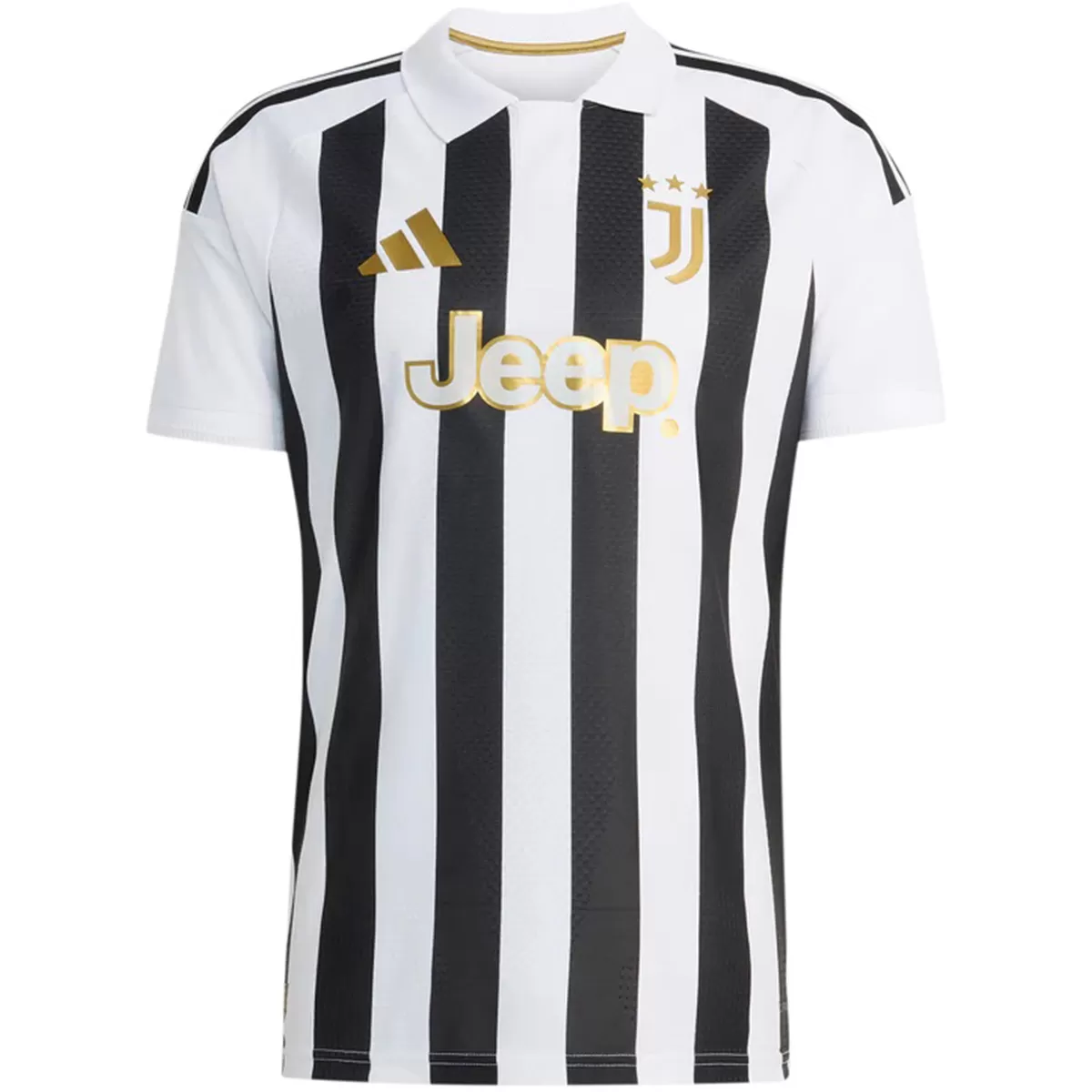
At Juventus, from 1990 to 1995, Baggio won the Ballon d’Or in 1993, the award for the best player in Europe, after leading the club to the UEFA Cup. He wore the black and white stripes with the same elegance he had shown in purple, and his free kicks became a regular feature of highlight reels across Europe. He scored a famous goal against his old club Fiorentina, and he was, for a time, the most admired player in Italian football.
In 1995 he moved to AC Milan, where he won the Italian league title in his first season, wearing the red and black stripes. Later spells followed at Bologna, where he scored twenty-two league goals in a single season, at Inter Milan, and finally at Brescia, where he played until his retirement in 2004. At every club, the pattern was the same: the number ten, the ponytail, and moments of skill that made supporters of other teams applaud him.
USA 94 and the penalty
Baggio’s defining tournament was the 1994 World Cup in the United States. He had already played at Italia 90, on home soil, where Italy finished third and Baggio scored a wonderful solo goal against Czechoslovakia. But in 1994 he carried the team. Italy struggled in the group stage, and Baggio scored the goals that kept them alive: twice against Nigeria in the round of sixteen, the winner against Spain in the quarter-final, and twice more against Bulgaria in the semi-final. He took Italy to the final against Brazil, playing through injury, and the match ended goalless after extra time.
The final was decided by a penalty shoot-out, and Baggio took Italy’s last kick. Needing to score to keep his team in it, he put the ball over the crossbar. Brazil were champions, and the image of Baggio standing alone, hands on hips, staring at the ground, became one of the most famous photographs in football history.
It is a measure of the man that the miss did not define him. He played at one more World Cup, France 98, where he scored twice and converted his penalty in the shoot-out against the hosts, and he retired as one of the most respected players of his generation. The 1994 final is remembered as a tragedy, but the tournament as a whole is remembered as Baggio’s tournament, the one in which a single player carried his country to the final.
Why Baggio shirts are collected
Baggio’s shirts are collected for three reasons. First, the clubs: Fiorentina purple, Juventus black and white, Milan red and black, and the blue of Italy are four of the most attractive shirt colours in the game, and Baggio wore them all. Second, the moments: the goals at Italia 90, the run at USA 94, the free kicks at Juventus, the twenty-two goals at Bologna. Third, the man himself: Baggio was a Buddhist, a quiet and thoughtful figure in a loud sport, and his dignity after the 1994 final earned him respect that no trophy could have bought.
For a collector, the Italy shirt is the natural starting point. The blue of the Azzurri is one of football’s great colours, and Baggio wore it at three World Cups. A Baggio-era Italy shirt is a reminder of a time when the number ten meant everything, and when one player could still carry a team on his back.
Choosing a Baggio-era shirt
If you are building a collection around Baggio, start with the era that speaks to you. The Fiorentina purple is the shirt of the young Baggio, the one that made him famous. The Juventus stripes are the shirt of the Ballon d’Or winner at his peak. The Italy blue is the shirt of the World Cups, and the one most fans will recognise first.
The vintage and retro collection at ElevenKick includes classic Italy and club shirts from Baggio’s era, in premium-quality, fan-inspired designs made for supporters and collectors. Whether you wear it or keep it on display, a Baggio-era shirt is a piece of football history, and it belongs in any serious collection.
Browse the vintage and retro jerseys at ElevenKick and find the shirt that tells your part of the Divine Ponytail’s story.