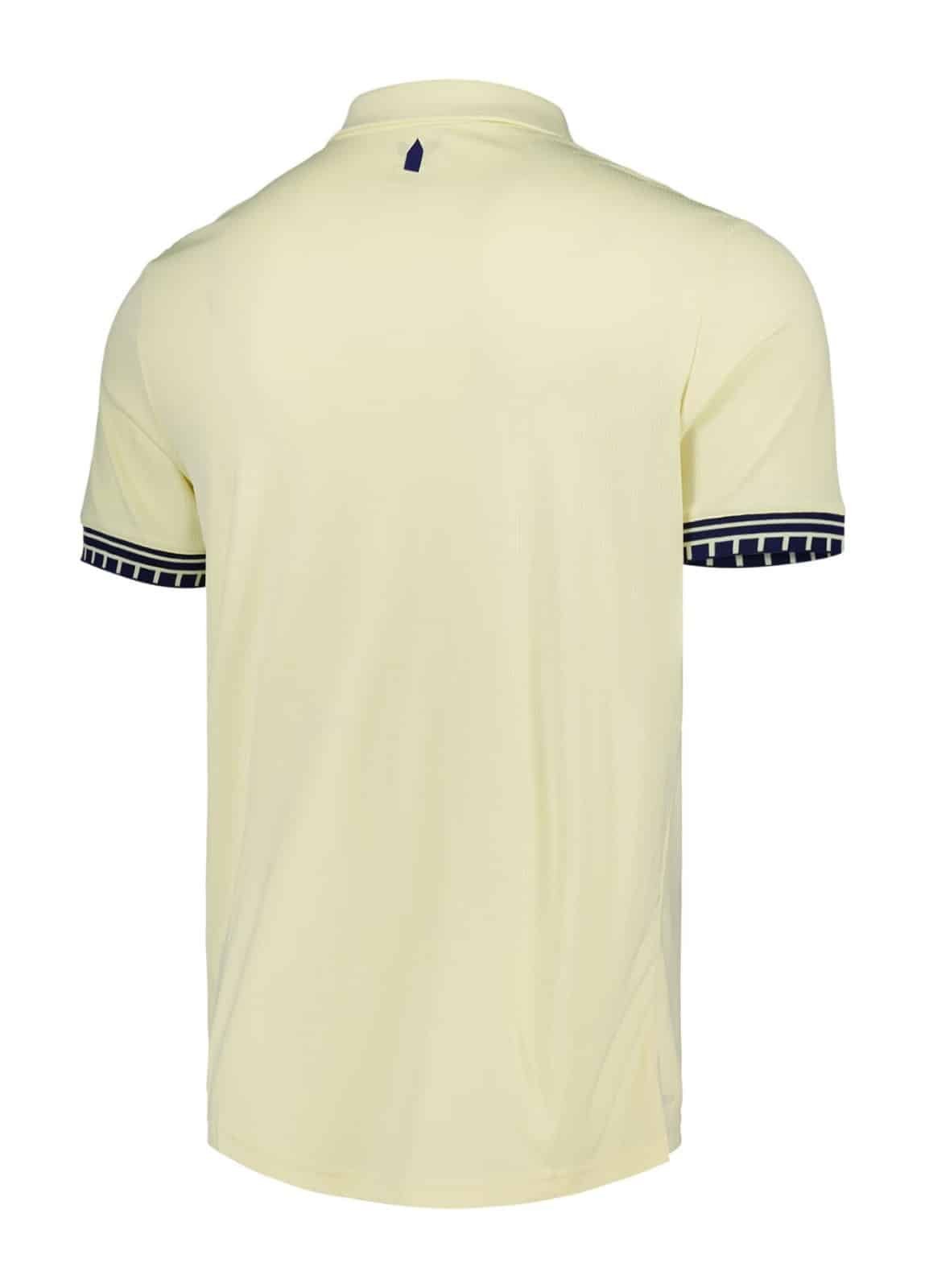
Packing a soccer jersey for travel without creasing it comes down to one simple choice: roll it instead of folding it flat, and give it a little protection inside your bag. A rolled jersey takes up less space, avoids the hard fold lines that show up across the chest and back, and unpacks ready to wear. With a few extra minutes of care before you zip the bag, you can arrive at a match, a tournament trip, or a weekend away with a shirt that looks almost as good as it did when you packed it.
This guide walks through the best ways to pack a jersey, what to avoid, and how to freshen it up on arrival. It works for a single matchday shirt tucked into a carry-on or a small collection packed for a longer trip.
Why jerseys crease in a suitcase
Most soccer jerseys are made from lightweight, smooth fabrics designed to breathe during a match, not to hold a pressed shape in a bag. When a shirt is folded flat and then pressed under heavier items, every fold becomes a line. Add a long flight or a bumpy bus ride, and those lines set in. Heat and humidity in a closed bag can make the creases harder to shake out, especially if the shirt is packed damp or crammed into a corner.
The good news is that jersey fabric is forgiving. Unlike a stiff cotton dress shirt, a jersey does not need an ironing board and a perfect press. It needs to be packed so that pressure is spread evenly and no single sharp fold takes all the weight. That is why rolling works so well: it turns the whole shirt into one soft cylinder with no hard edges.
The roll method, step by step
Start with a clean, completely dry jersey. Lay it face down on a flat surface and smooth out any wrinkles with your hands. Fold each sleeve inward so it lies flat against the body of the shirt, then fold the shirt in half lengthwise so the two sides meet. Now roll it firmly but gently from the bottom hem toward the collar, keeping the roll even as you go. A tight, even roll is better than a loose one, because a loose roll can unspool and bunch up in the bag.
Once rolled, slip the jersey into a packing cube, a clean plastic sleeve, or a large zip bag. The sleeve does two jobs: it keeps the roll from coming undone, and it protects the shirt from anything that might leak or snag in your luggage. Place the rolled jersey on top of heavier items rather than underneath them, and fill any gaps around it with soft items like socks or a scarf so it does not get knocked around.
If you are packing more than one jersey, roll each one separately and stack the rolls side by side. Never roll two shirts together into one bundle, because the inner shirt will bunch and the outer one will still crease at the edges.
When folding flat is the better option
Rolling is the best default, but there is one case where folding flat makes sense: when you need the shirt to stay perfectly smooth for a photo, a signing, or a display, and you are carrying it in a garment bag or a flat packing organizer. In that case, fold the shirt once down the middle, sleeves tucked in, and lay it flat on top of everything else in the bag. Place a sheet of tissue paper or a clean T-shirt between the folds to soften the crease line.
Do not fold a jersey into a small square to squeeze it into a pocket of your bag. Small, tight folds are exactly what cause the deep lines that are hardest to remove. If the shirt will not fit flat, roll it instead.
Packing cubes, sleeves, and what actually helps
You do not need expensive gear to pack a jersey well, but a few simple items make a real difference. Packing cubes keep rolled shirts in place and stop them from shifting during transit. A thin garment sleeve or a large zip bag keeps the fabric clean and dry. A small travel steamer or a wrinkle-release spray can be a lifesaver on arrival, but neither is essential.
What matters most is the order you pack in. Heavy items go at the bottom of the bag, near the wheels, where they are most stable. Rolled jerseys go in a middle or top layer, protected from pressure. Toiletries go in a separate sealed bag, away from your shirts, so a leak can never reach them. If you are flying, keep your matchday jersey in your carry-on rather than checked luggage when you can, so it stays with you even if a bag is delayed.
What to avoid
A few common mistakes undo good packing. Packing a damp jersey is the biggest one: moisture trapped in a closed bag can leave the shirt smelling musty and can set creases more firmly. Always let a washed shirt dry fully before packing it. Stuffing a jersey into the last spare corner of an overfull bag is another mistake, because it will be compressed from every side and come out wrinkled no matter how you folded it.
Avoid putting heavy shoes or books directly on top of a jersey, and avoid wrapping a shirt around hard objects to save space. If your bag is too full to fit the jersey properly, it is better to carry the shirt in a separate small bag than to force it in. Finally, do not iron a jersey on a high heat setting to fix creases on arrival. High heat can damage printed names, numbers, and badges. A low setting, a pressing cloth, or steam from a hot shower is much safer.
How to refresh a jersey on arrival
Even a well-packed jersey can pick up a few light lines in transit, but most of them are easy to remove. As soon as you arrive, unroll the shirt and hang it up in the room, preferably on a proper hanger rather than draped over a chair. Give it a good shake and smooth the fabric with your hands. Hanging it in the bathroom while you take a hot shower lets the steam relax the fibers, and that alone removes most travel creases.
If lines remain, a handheld steamer held a few inches from the fabric works well. Move it slowly and keep it away from printed badges and sponsor logos. A wrinkle-release spray, lightly misted and then smoothed by hand, is a good backup. Let the shirt air for an hour before wearing it, and it should look ready for kickoff.
A simple matchday packing checklist
Before you leave, run through a quick checklist: jersey clean and fully dry, rolled evenly and placed in a sleeve or cube, packed above heavy items, toiletries sealed separately, and a hanger or steamer plan for arrival. If you are taking a second shirt for a friend or for a change of colors, roll it separately and label the cube so you can find the right one quickly.
Packing a jersey well takes about two minutes, and it is time well spent. A shirt that arrives smooth and ready to wear means one less thing to worry about on matchday, and it keeps a shirt you care about looking its best trip after trip.
Planning your next away day or football trip? Browse the fan-inspired jerseys at ElevenKick and pick up a shirt worth packing well.