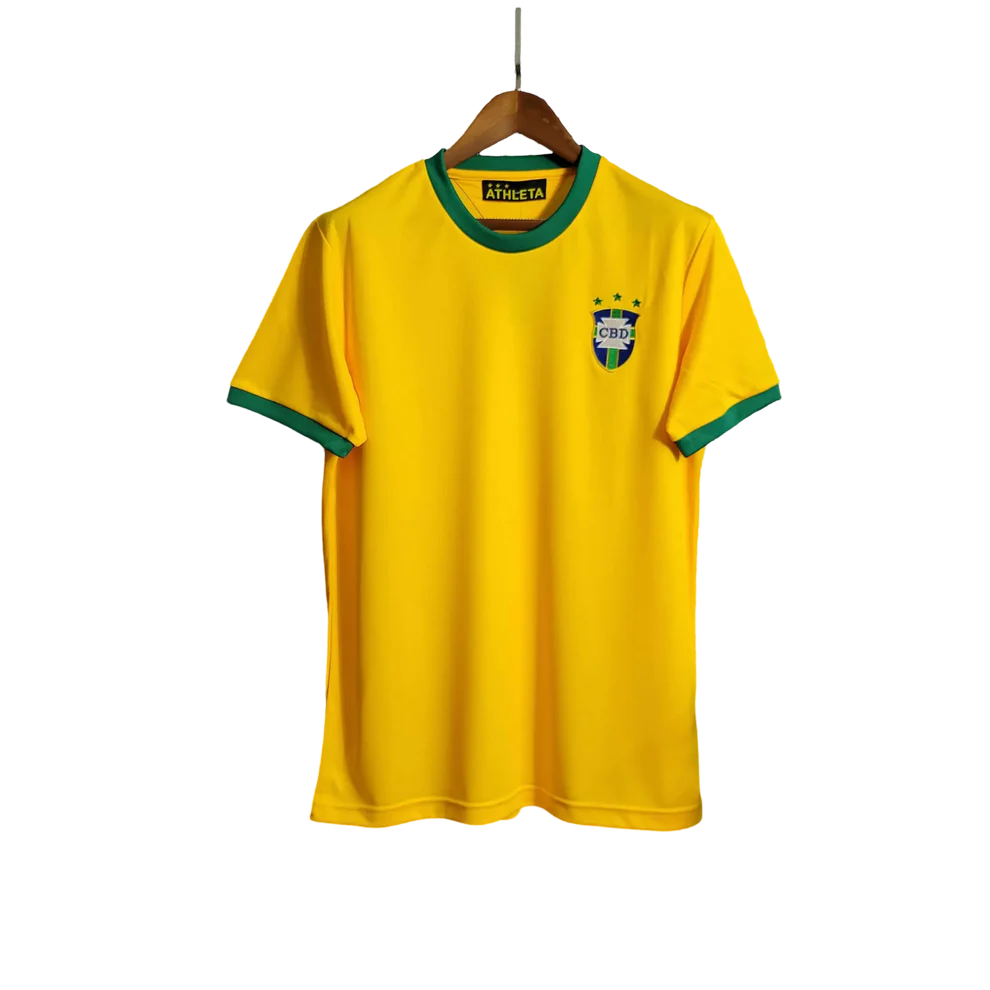
Every fan has one: the jersey that means too much to wear every day. Maybe it is a retro classic, a gift from someone special, or the shirt from an unforgettable season. Folding it into a drawer feels wrong — so more and more fans are doing what museums do: framing it. A well-framed soccer jersey turns a piece of fabric into wall art and the centerpiece of any football-loving room. Here is how to do it right.
Why frame a jersey instead of wearing it
Framing is about preservation and pride. Sunlight, washing machines, and daily wear all slowly fade colors and crack printed names and numbers. A framed jersey is protected from all three, which matters most for retro shirts and limited designs that you cannot easily replace. And honestly, a framed shirt on the wall makes a statement that a folded shirt in a closet never can — it tells visitors exactly who you are as a fan.
Choosing the right frame
You have two main options. A standard deep frame works for thinner, modern shirts, but the best choice for most jerseys is a shadow box frame — a deep-set frame designed to hold three-dimensional objects. Jerseys have sleeves, collars, and badges with real depth, and a shadow box gives them room to sit naturally instead of being crushed flat against the glass. Size-wise, most adult jerseys need a frame around 32 by 40 inches (roughly 80 by 100 cm), though this varies with the shirt’s cut. Measure your jersey laid flat — width across the chest, length from collar to hem — and add a few inches on each side for matting and breathing room.
Materials that protect your shirt
Not all framing materials are equal, and the cheap options can damage your jersey over time. Look for these: acid-free backing and matting (standard cardboard and cheap mats contain acids that yellow fabric over years; acid-free, also called archival or conservation-grade, materials prevent this); UV-protective glass or acrylic (sunlight is the great enemy of jersey colors; UV-filtering glazing blocks the rays that fade shirts, which is essential if the frame will hang anywhere near a window; acrylic is lighter and shatter-resistant, glass is clearer and more scratch-resistant); a proper mount, not glue (never glue a jersey to its backing; the safe methods are stitching the shirt loosely to the backing board with clear thread, using stainless steel pins through the seams, not the visible fabric, or archival mounting strips; all of these hold the shirt securely and can be reversed without damage).
Preparing the jersey
Before framing, wash the shirt according to its care label and let it air dry completely — framing a shirt with any moisture trapped inside invites mildew. Iron out wrinkles on a low setting or with a steamer, keeping heat away from printed names, numbers, and badges. Then lay the shirt flat and arrange it: most people fold one sleeve slightly behind the body and center the crest and any front design for maximum visual impact.
Hanging and placement tips
Hang your framed jersey where it will be seen but not punished by the environment. Avoid direct sunlight (even UV glass has limits), damp rooms, and spots right above radiators or fireplaces, where heat cycles stress the fabric. Use proper wall anchors rated for the frame’s weight — a framed jersey with glass is heavier than it looks. And hang it at eye level: the center of the frame should sit roughly 57 to 60 inches from the floor, the same standard galleries use.
Creative display ideas beyond the frame
Once you have framed your first jersey, you will start seeing possibilities everywhere. A gallery wall of three or four framed shirts — say, your club’s home, away, and a favorite retro — makes a stunning feature wall in a living room or home office. Some fans rotate their display with the seasons: the current home shirt during the campaign, a classic during the summer break. Others build their display around a theme, like every shirt from a title-winning season or one shirt from each club a favorite player represented. Lighting matters more than people expect. A simple picture light mounted above the frame, or a well-placed spotlight, makes the colors pop in the evening and turns the jersey into a genuine focal point. Just keep the light source a reasonable distance away — heat and intense light are still the enemies, even with UV-protective glass.
DIY vs. professional framing
A DIY shadow-box frame with archival materials typically costs far less than a professional job, and it is a satisfying weekend project. But professional framers bring experience with mounting odd shapes, access to museum-grade materials, and guarantees on their work. For a shirt with serious sentimental or collector value — a classic like the Brazil 1970 retro jersey — professional framing is worth considering.
Mistakes to avoid
The most common errors are easy to sidestep: using a frame that is too shallow and flattening the shirt’s shape, skipping UV protection, hanging the frame in direct sun, and pinning through visible parts of the fabric. Take your time with the arrangement — once it is on the wall, you will look at it every day.
A framed jersey is more than decoration; it is your football story, told on the wall. If you are starting a display collection, browse ElevenKick’s vintage and retro jerseys for shirts worth showing off.