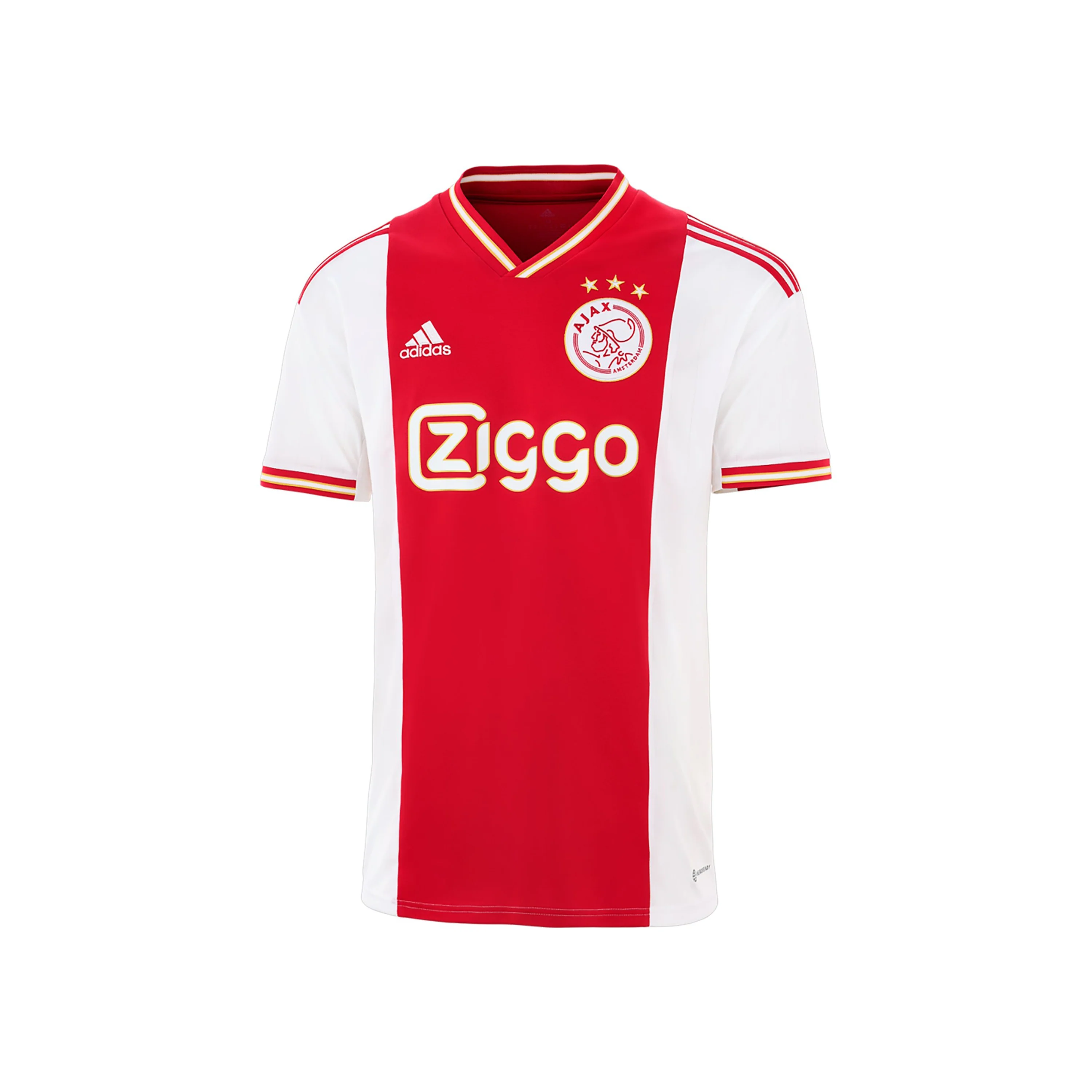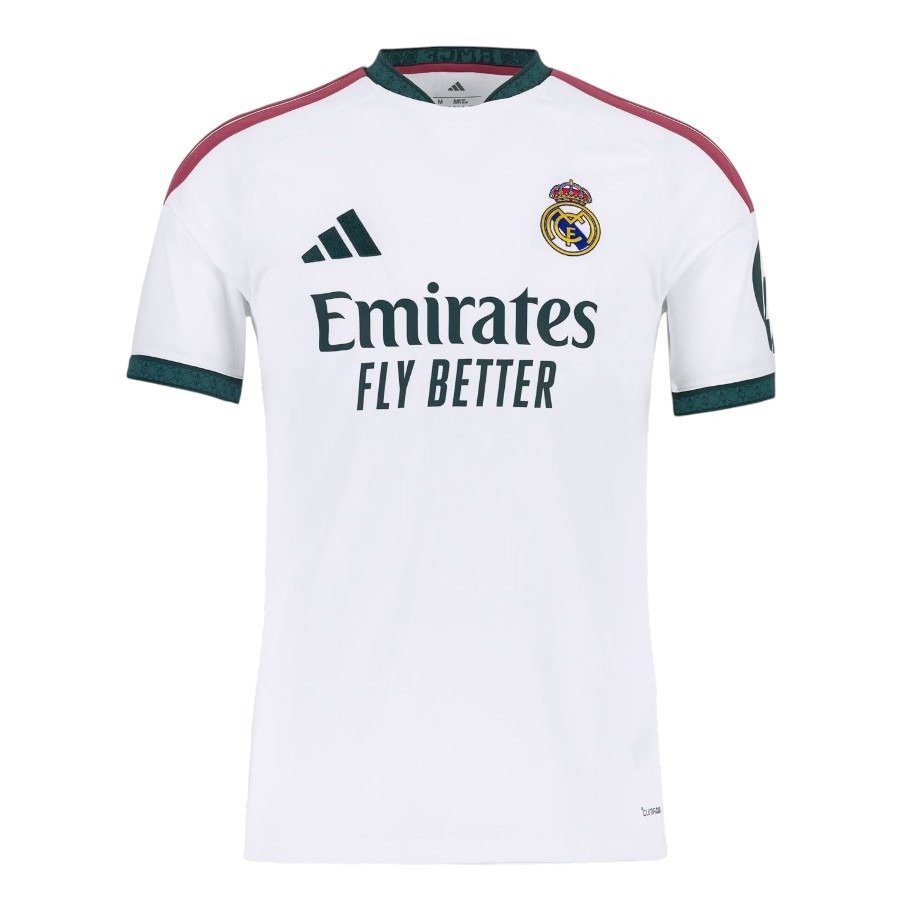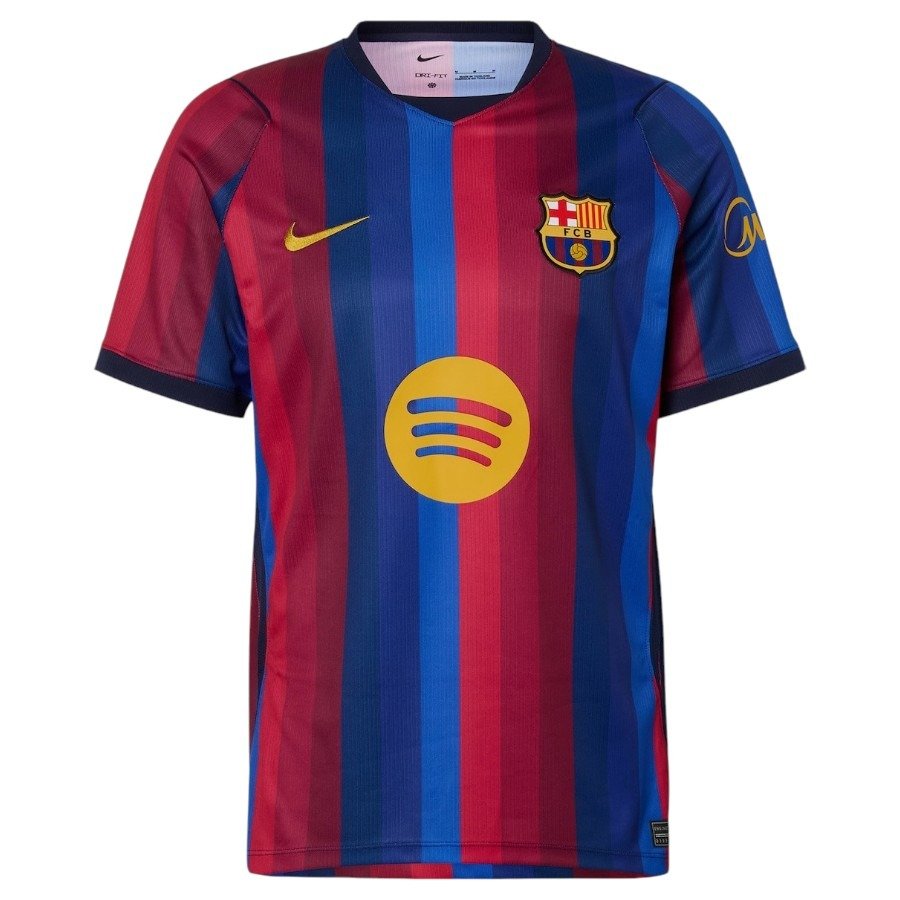
Today it is hard to imagine a football shirt without a sponsor’s name across the front. Yet for most of football’s history, shirts were completely plain. This guide explains how sponsors arrived, how they changed shirt design, and why sponsor logos are now a key part of collecting.
The plain shirt era
For the first hundred years of organised football, shirts carried only the club crest and the player’s number. Clubs were identified by their colours alone: the red of Liverpool, the white of Real Madrid, the stripes of Juventus. There was no advertising on shirts, and many fans believe this was football’s purest design era. Retro shirts without sponsors remain popular today precisely because they look so clean and simple.
The first sponsor shirts
Shirt sponsorship began in Germany in the 1970s. In 1973, Eintracht Braunschweig became the first major club to wear a sponsor’s logo, the Jägermeister deer emblem, on its shirt, after the German football authorities allowed advertising on kits. The idea spread quickly. By the late 1970s and early 1980s, sponsor logos were appearing on shirts across Europe, and clubs discovered a valuable new source of income. What started as a small logo soon became a central part of the shirt’s design.
Sponsors become part of the design
In the 1980s and 1990s, sponsors stopped being an afterthought and became part of how fans remember a shirt. Liverpool’s long association with Carlsberg, which ran from 1992 to 2010, is one of the most famous in English football. Arsenal’s JVC shirts of the late 1980s and early 1990s are collector favourites. Inter Milan’s long-running Pirelli sponsorship, which lasted from 1995 to 2021, became so linked to the club that many fans cannot picture an Inter shirt without it. The sponsor’s colours and lettering had to work with the shirt, and designers began treating the logo as part of the overall look.
The Barcelona exception
Not every club rushed to sell shirt space. Barcelona famously played without a commercial shirt sponsor for many years, wearing the UNICEF logo for free from 2006 as a charitable gesture. The club only signed its first paid shirt sponsor, Qatar Foundation, in 2011. For many fans, the UNICEF shirts represent a different idea of what a football club can stand for, and those shirts are now highly collectable. The Barcelona story shows that the absence of a sponsor can be just as meaningful as its presence.
The modern sponsor era
Today, sponsorship is more complex than ever. Clubs have a main shirt sponsor on the front, a sleeve sponsor on the arm, and training kit sponsors as well. Sponsor deals are worth huge sums and are announced like major signings. Designers now plan the shirt and the sponsor logo together, choosing colours and placements that work as one design. Some fans dislike how large logos have become, while others see them as part of the shirt’s period character — a sponsor logo instantly dates a shirt to a specific era, which is exactly what collectors want.
Sponsors and collecting
For collectors, sponsor logos are a useful guide. A shirt’s sponsor tells you which seasons it belongs to, which makes it easier to date and identify. Sponsor-free retro shirts appeal to fans who prefer clean design, while sponsor shirts appeal to fans who want the exact look worn on the pitch in a particular season. Neither is better; they simply tell different stories. When you buy a fan-inspired shirt, check the sponsor era it represents, because that detail is part of the shirt’s history.
How sponsor rules differ around the world
Shirt sponsorship has never followed one single rule everywhere. Different leagues and competitions have set their own limits over the years, on where a logo can sit, how large it can be, and what kinds of products can be advertised on a shirt. Some competitions have restricted certain categories of sponsor, while others have allowed sleeve sponsors in addition to the main front-of-shirt deal. These differences mean that the same club can wear slightly different shirts in different competitions, which collectors find fascinating: a small change in the sponsor logo can mark a shirt as belonging to a particular tournament or season. The rules have also changed over time, so a shirt from the 1980s follows different conventions from a shirt worn today. For fans building a collection, these details are part of the fun. Learning which sponsor a club wore, and when, is one of the quickest ways to understand a shirt’s place in football history, and it turns a simple piece of clothing into a small piece of the sport’s story.
Sponsor shirts have also found a second life in fashion. In recent years, vintage football shirts with old sponsor logos have become popular streetwear, worn by people who may never have watched the team in question but love the design, the colours and the nostalgia of a particular era. A shirt with a classic sponsor logo instantly signals a period in football history, from the bold lettering of the 1980s to the sleeker logos of the 2000s. That fashion revival has made sponsor-era shirts some of the most sought-after items for collectors and casual fans alike, proving that a logo once seen as mere advertising can, over time, become a beloved part of a shirt’s identity and charm.
Explore fan-inspired shirts from every sponsor era at ElevenKick and find the design that tells your favourite football story.