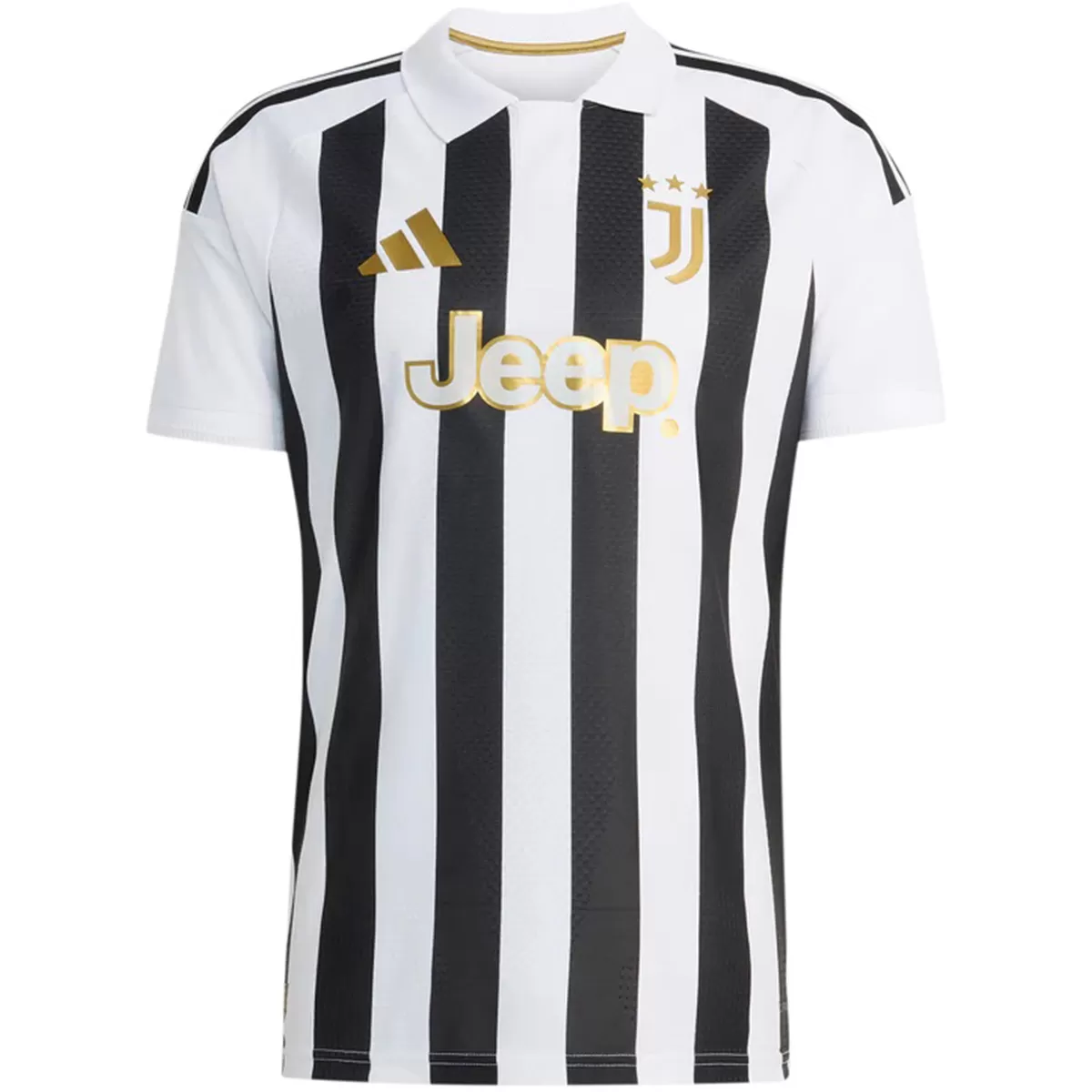
A soccer jersey is a thin, lightweight shirt, made to keep you cool in the heat of a match. That is a problem in winter. When the temperature drops, the wind picks up and the rain starts, a bare jersey is not enough — but that does not mean the jersey has to stay in the wardrobe until spring. With the right layers underneath and over the top, a soccer jersey works perfectly through the coldest months of the season, at the stadium, on the street and at home watching the game.
The secret is layering. A jersey is not a winter coat, and it was never meant to be one. It is a middle layer — the visible layer, the one that shows your colours — and it needs a warm layer underneath and, when you are outside, a protective layer over the top. Get the layers right and you stay warm, dry and comfortable, and the shirt still does its job.
Start with the base layer
The first layer is the one against your skin, and it matters more than people think. A good thermal base layer — long-sleeved, close-fitting, made from merino wool or a synthetic performance fabric — keeps you warm without adding bulk. It wicks sweat away from your skin, which is important, because sweat that sits on your skin makes you cold very quickly once you stop moving.
Avoid cotton as a base layer in cold weather. Cotton absorbs sweat and holds it, and a wet cotton layer under a jersey is a recipe for feeling cold and clammy by half-time. Merino wool is the best option if you can find it: it stays warm even when damp, it does not smell, and it is comfortable against the skin. A synthetic thermal top is a good second choice and usually cheaper. Either way, choose a base layer in black, white or a colour that matches your jersey, so it looks intentional if a sleeve or a collar shows.
The jersey is the middle layer
The jersey itself goes over the base layer. This is where fit matters. A jersey that fits snugly over a T-shirt in summer may feel tight over a thermal top in winter, so if you are buying a shirt specifically for cold-weather wear, consider going one size up. A slightly looser fit leaves room for the base layer, lets air circulate, and looks better over a thermal than a skin-tight shirt does. If you already own the shirt and it is snug, a thinner base layer will usually solve the problem — modern thermal tops are remarkably warm for their weight.
There is also a choice to make about what goes on show. Some fans wear the jersey as the top layer, with the base layer hidden underneath. Others wear the jersey over a hoodie, with the hood and the cuffs showing. Both work, but they give different looks. The jersey-on-top look is the classic matchday outfit. The jersey-over-a-hoodie look is warmer and more casual, and it suits a day out as much as a day at the stadium. Try both and see which suits your shirt.
Add a jacket or coat on top
When you are outside in real winter weather, the jersey and the base layer are not enough on their own — you need an outer layer. A waterproof jacket is the practical choice for a rainy matchday, and a padded jacket or a coat is the choice for a freezing one. The trick is to choose an outer layer that opens easily, so you can show the shirt when you want to — in the stands, in the pub, in the photo — and close it up when the wind picks up.
A stadium coat or a long parka is ideal for a winter match. It covers the jersey completely when it is zipped up, and it opens to show the shirt when you are inside or under cover. A shorter jacket works too, but it leaves the bottom of the shirt exposed, which is fine if the shirt is long enough to tuck in. Whatever you choose, make sure it is big enough to fit over the jersey and the base layer without squeezing them. A jacket that is too tight compresses the layers underneath and makes them less effective.
Legs, feet and hands matter too
Cold-weather comfort is not just about the top half. Thermal leggings or long underwear under your jeans or trousers make a real difference at a winter match, where you may be sitting still for two hours. Warm socks — wool, not cotton — keep your feet warm, and waterproof boots or shoes keep the rain out. A club scarf is not just a fashion statement in winter; it is a genuinely useful piece of clothing, keeping the wind off your neck and adding a layer of warmth exactly where you lose heat fastest.
Gloves are worth it too, especially if you are holding a drink or a phone. Fingerless gloves let you use your phone for photos while keeping your palms warm, and they look right with a football outfit. A beanie or a bobble hat in your club’s colours finishes the look and keeps the heat in. Football fans have been dressing for winter for generations, and the scarf-and-hat combination is a classic for a reason.
What to wear underneath at home
Not every winter jersey outing is a trip to the stadium. Watching the game at home, the rules are simpler, but layering still helps. A jersey over a long-sleeved thermal is comfortable on the sofa and warm enough for a cold evening, and it looks better on camera if you are on a video call with friends during the match. If the house is cold, add a fleece or a zip-up over the top and take it off when the heating kicks in.
The same principle applies to playing in winter. If you are playing five-a-side or training in cold weather, a thermal base layer under the jersey is essential, and a lightweight training top over the jersey keeps the wind off until you have warmed up. Never play in a cotton T-shirt under a jersey in winter — you will be warm for ten minutes and cold for the rest of the session.
Caring for layered jerseys
Wearing a jersey in layers means washing it more carefully. The base layer takes most of the sweat, which is good news for the shirt, but the shirt still needs proper care. Wash it inside out, in cold water, and let it air dry — never tumble dry a printed shirt, and never iron directly onto a print or a badge. If you have been wearing the jersey under a coat in the rain, hang it up to dry as soon as you get home rather than leaving it bunched up in a bag, where damp and creases set in.
Storage matters in winter too. If a shirt is going to spend weeks in the wardrobe between wears, fold it neatly rather than hanging it on a thin wire hanger, which can stretch the shoulders. Keep it somewhere dry, away from damp, and it will come out in spring looking as good as it did in autumn.
The winter jersey, done right
A soccer jersey does not have to be a summer-only shirt. With a thermal base layer underneath, the jersey in the middle, and a jacket or coat over the top, it is a winter outfit that keeps you warm, shows your colours, and looks the part. Add a scarf, a hat and warm socks, and you are ready for the coldest matchday of the season.
The best winter jersey outfit is the one you do not have to think about once you have put it on. Get the layers right, choose fabrics that work with sweat rather than against it, and let the shirt do what it has always done: tell everyone who you support, whatever the weather.
If you need a shirt that fits over a base layer, check the sizing guide in the ElevenKick shop before you buy — and remember, a jersey that works in winter is a jersey you will wear all year round.