
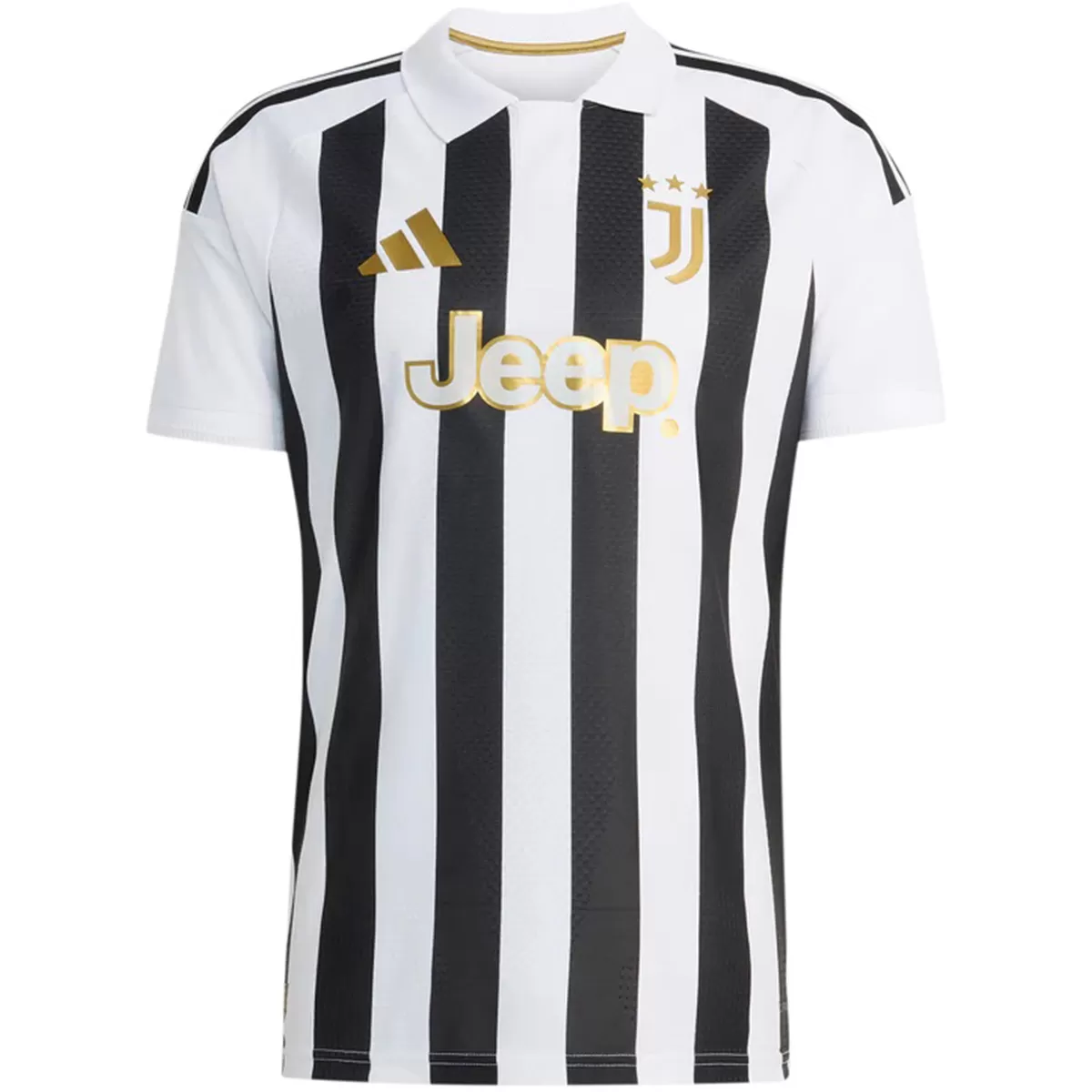
Michel Platini Soccer Jersey: The No. 10 Shirts of Le Roi
Michel Platini was called Le Roi, the King, and for a few years in the 1980s there was no better footballer in the world. He wore the No. 10 shirt for France and for Juventus, and he wore it like a crown. He was a playmaker with the vision of a chess player and the finishing of a striker, a free-kick specialist who could bend a ball over a wall and into the top corner as if he had planned it the night before. In the summer of 1984, wearing the blue shirt of France, he scored nine goals in five games at the European Championship, a record that still stands. This is the story of the shirts of Michel Platini.
Nancy: where the No. 10 began
Platini was born in Joeuf, in north-eastern France, the son of an Italian immigrant who had played football himself. He joined AS Nancy-Lorraine in 1972, and it was there that he became a professional and first pulled on the No. 10 shirt. Nancy were not one of France’s great clubs, but Platini made them one to watch. In 1978, he captained Nancy to the French Cup, scoring the only goal in the final against Nice, the first major trophy of his career. The Nancy shirt was red and white, and Platini wore it for seven seasons, growing from a promising teenager into the best young playmaker in France. By the time he left in 1979, every big club in Europe knew his name. The Nancy years are often forgotten next to what came later, but they are where the legend started.
Saint-Etienne and the green shirt
In 1979, Platini joined Saint-Etienne, the most glamorous club in France at the time, and pulled on their famous green shirt. He won the French league title with Saint-Etienne in 1981, and he reached the French Cup final twice, in 1981 and 1982. The green shirt suited him: Saint-Etienne were the people’s club, with a huge following and a stadium, the Stade Geoffroy-Guichard, that was known as the Cauldron. Platini’s three seasons there made him a star in France, and his performances for the national team were making him a star everywhere else too. In 1982, after the World Cup in Spain, he left France for Italy. Saint-Etienne never won the league again in his absence, and Platini never wore the green shirt again. It was a short chapter, but a happy one.
Juventus: the black and white years
Juventus signed Platini in the summer of 1982, and the black and white striped shirt became his home for the next five seasons. It was at Juventus that he became the best player in the world. He won the Italian league title in 1984 and again in 1986. He won the Cup Winners’ Cup in 1984, scoring the winner in the final against Porto. He won the European Cup in 1985, captaining Juventus to victory over Liverpool in Brussels. He won the Intercontinental Cup later that year, beating Argentinos Juniors on penalties in Tokyo. And he won the Ballon d’Or, the award for the best player in Europe, three years in a row: 1983, 1984, and 1985. No player had ever won it three times in a row before. The Juventus shirt, with its famous black and white stripes and the No. 10 on the back, became one of the most recognisable shirts in world football, because the man wearing it was the best in the world.
Euro 1984: nine goals, one summer
The greatest chapter of Platini’s career came in the summer of 1984, when France hosted the European Championship. Platini was the captain, the playmaker, and the top scorer, all at once. He scored nine goals in five games, a record for a single European Championship that still stands more than forty years later. He scored a hat-trick in the 5-0 win over Belgium, and another hat-trick in the 3-2 win over Yugoslavia. In the semi-final against Portugal, he scored the winner in the 119th minute of extra time, a goal that sent France to the final. In the final against Spain in Paris, he scored the opening goal from a free-kick, and France won 2-0 to lift their first major trophy. The blue shirt of France, with the No. 10 on the back, had never looked better. Platini was named the player of the tournament, and he finished the year by winning his second Ballon d’Or. It remains the greatest individual performance at a European Championship, and it is the reason the France 1984 shirt is one of the most loved shirts in football history.
Two World Cup semi-finals
Platini played at three World Cups, and the first two ended in the same painful way. At Spain 1982, France reached the semi-final against West Germany in Seville, a match that is still remembered as one of the greatest ever played. France led 3-1 in extra time, then West Germany fought back to 3-3 and won on penalties, the first penalty shoot-out in World Cup history. Four years later in Mexico, France beat Brazil on penalties in a thrilling quarter-final, then lost to West Germany again in the semi-final. Platini never won the World Cup, and it is the one trophy missing from his career. But the shirts he wore at those tournaments, the blue of France with the No. 10, are among the most famous in the history of the competition, because they were worn by a player who made the whole world stop and watch.
The No. 10 shirt and what it meant
In football, the No. 10 shirt means something. It is the shirt of the playmaker, the player who sees the pass nobody else sees and who takes responsibility when the game is on the line. Platini wore it better than almost anyone. He scored 41 goals in 72 appearances for France, a remarkable return for a midfielder, and he scored them all in the No. 10 shirt. He took the free-kicks, he took the penalties, and he took the blame when things went wrong. His shirts were simple by modern standards: the blue of France with the cockerel on the chest, the black and white stripes of Juventus, the green of Saint-Etienne, the red and white of Nancy. None of them needed fancy designs, because the number on the back told you everything. When you saw the No. 10, you knew who it was.
Which Platini shirt should you choose?
For collectors, there are two Platini shirts that matter most. The first is the blue France shirt from Euro 1984, the shirt of the nine goals and the first French triumph. It is the shirt of a summer when one man carried a whole nation, and it is the most famous France shirt ever made. The second is the black and white Juventus shirt from the mid-1980s, the shirt of the three Ballon d’Or awards and the European Cup. Both are classics, and both are worth owning. A Juventus shirt from that era is a reminder of the greatest club team in Italy, and a France 1984 shirt is a reminder of the greatest individual tournament in European history. Either way, you are choosing a shirt worn by Le Roi himself.
If the story of Le Roi has won you over, you can browse Juventus shirts and the rest of the club collection at the ElevenKick shop.

