
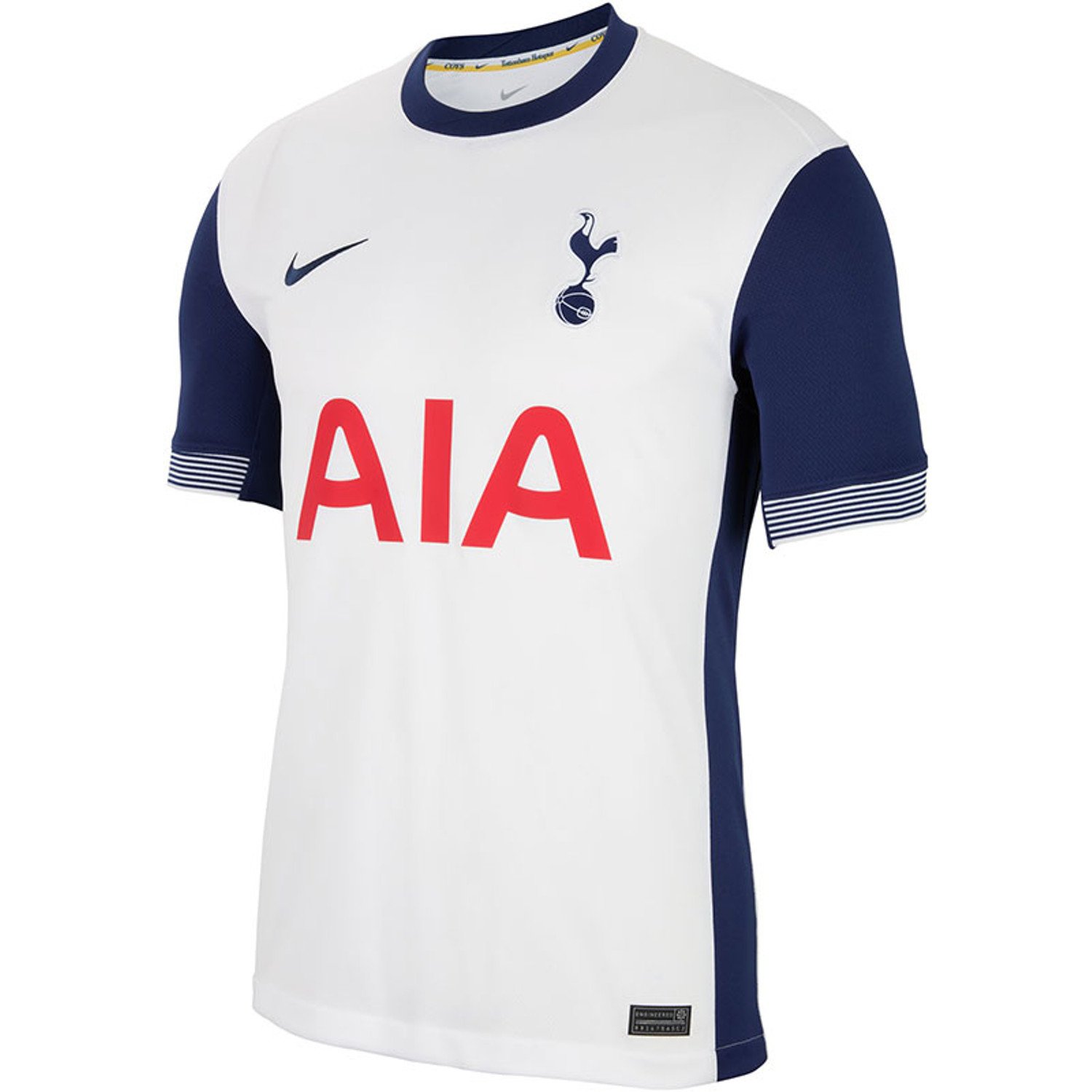
A white soccer jersey is one of the best-looking shirts in football. Real Madrid’s all-white shirt, England’s classic white, Sevilla’s white with red trim, the white away shirts of dozens of clubs — white is clean, sharp and timeless. But white is also the hardest colour to keep looking good. One wrong wash, one stray red sock in the machine, one hot drying cycle, and a brilliant white shirt turns grey, yellow or pink. Here is how to keep a white soccer jersey white and bright, season after season.
Why white shirts go grey
The first step is understanding the enemy. White fabric does not actually turn grey on its own — it picks up colour and dirt from everything around it. In the wash, dye from other clothes bleeds into white fabric. Sweat, body oil and sunscreen build up in the fibres and yellow over time. Hard water leaves mineral deposits that dull the fabric. And heat — from hot water or a hot dryer — sets stains and yellowing into the fibres permanently.
Modern soccer jerseys make this harder, because they are made from lightweight polyester with printed names, numbers and sponsor logos. You cannot bleach them the way you would an old cotton t-shirt, and you cannot scrub them aggressively without damaging the print. The good news is that with the right routine, a white jersey can stay bright for years.
Rule one: wash white alone, always
This is the single most important rule. Never wash a white soccer jersey with coloured clothes. Even dark clothes that have been washed many times can bleed a small amount of dye, and that dye has nowhere to go except into your white shirt. Wash white jerseys only with other white items, and keep reds, blues and blacks in a separate load.
If you only have one white jersey to wash, wash it on its own. A half-empty machine is better than a grey shirt. Some fans keep a small laundry bag just for white jerseys, so they never accidentally end up in the wrong load.
Rule two: cold water, gentle cycle, inside out
Always wash a white soccer jersey in cold water — 30 degrees Celsius or below — on a gentle or delicates cycle. Hot water is the enemy of both the fabric and the print: it can set stains, yellow the fibres, and crack or peel names and numbers.
Turn the jersey inside out before it goes in the machine. This protects the printed badge, sponsor logo, name and number from rubbing against other clothes and against the drum of the machine. It is a small step that makes a big difference over a season of washes.
Use a mild liquid detergent, and use less than you think you need. Too much detergent leaves residue in the fabric, and that residue traps dirt and dulls the white. A small amount of good detergent, in cold water, is all a jersey needs.
Rule three: never use chlorine bleach on a printed jersey
Chlorine bleach will whiten cotton, but it will destroy a modern soccer jersey. It weakens polyester fibres, yellows the fabric over time, and can eat through printed names, numbers and sponsor logos. Never pour bleach directly onto a jersey, and never add chlorine bleach to a wash that contains a printed shirt.
If your white jersey needs a boost, use an oxygen-based whitener instead — the kind sold as “oxy” or “colour-safe” whitener. These products are gentler on polyester and on prints, and they lift yellowing without damaging the fabric. Soak the jersey in a basin of cold water with oxygen whitener for thirty minutes before washing, and you will see a real difference.
For stubborn yellow marks under the arms or around the collar, a paste of baking soda and water, rubbed gently into the area and left for fifteen minutes before washing, can help. Never scrub hard — let the product do the work.
Rule four: dry it in the shade, never in the dryer
Heat is the second great enemy of a white jersey. Never put a soccer jersey in a tumble dryer. The heat can melt printed numbers and logos, shrink the fabric, and set any remaining stains permanently. Always air-dry your jersey.
Hang it on a line or a drying rack, inside out, in the shade or indoors. Direct sunlight will whiten white fabric in the short term, but over time it can yellow polyester and fade printed details. Shade drying takes a little longer, but it keeps the shirt looking new. If you are in a hurry, hang the jersey in front of a fan — moving air dries a lightweight jersey surprisingly fast.
Rule five: treat stains immediately
The longer a stain sits, the harder it is to remove. Grass, mud, sweat and food stains should be rinsed in cold water as soon as possible — never hot water, which sets protein stains like sweat and blood. Dab the stain gently with a cloth; do not rub it, which pushes the stain deeper into the fabric.
For grass stains, a little white vinegar or a pre-wash stain remover, applied gently and left for ten minutes, usually does the job. For sweat marks, the baking soda paste described above works well. The key is patience: treat the stain, wash the shirt in cold water, and check before drying. If the stain is still there after washing, treat it again — never put a stained jersey in the dryer, because the heat will set the stain for good.
Storing a white jersey
When the season is over, or when you are putting a white shirt away for a while, store it clean and dry, folded loosely in a drawer or hung on a wide hanger. Never store a white jersey in a plastic bag or a sealed container — trapped moisture causes yellowing and mildew. A cotton garment bag, or simply a clean shelf, is far better.
Keep white jerseys away from coloured shirts in storage, too. Dye can transfer between fabrics over time, especially in warm, humid conditions. If you store shirts stacked together, put a sheet of white tissue paper between the white shirt and the shirt above it.
The routine that works
Put it all together, and the routine is simple: wash white alone, in cold water, inside out, on a gentle cycle, with a small amount of mild detergent. Add oxygen whitener when the shirt needs a lift. Air-dry in the shade. Treat stains quickly and never use chlorine bleach or a hot dryer. Do that, and a white soccer jersey will stay white for years — not weeks.
A white shirt is worth the effort. It is the colour of Real Madrid, of England, of Sevilla and of so many of football’s great teams. Look after it properly, and it will look as good in its third season as it did on the day you bought it. If you are looking for your next white shirt — or any shirt at all — you will find the latest home, away and retro designs in the ElevenKick shop (https://elevenkick.com/shop/).

