
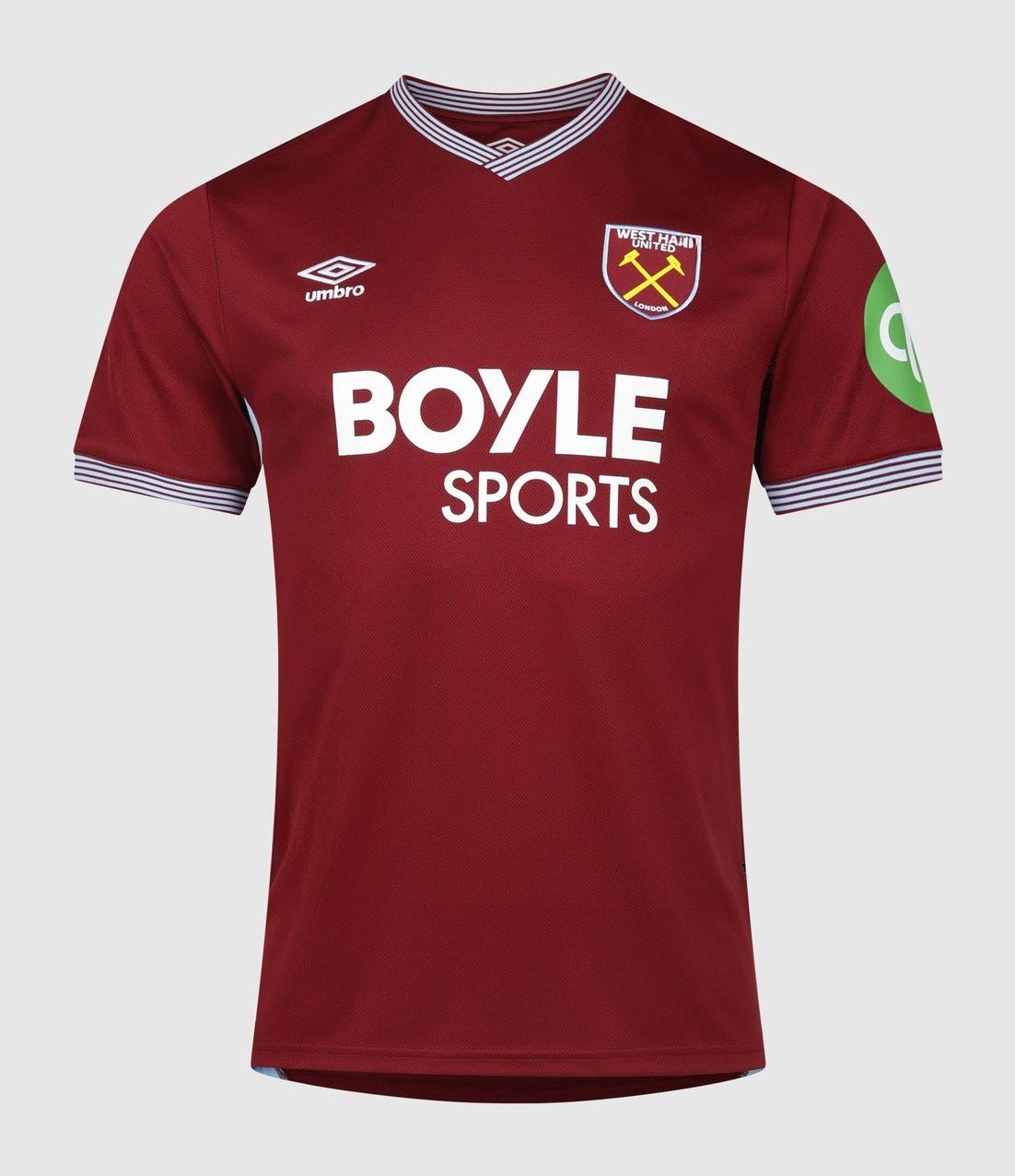
It happens after almost every big match, and the cameras love it: two exhausted players, moments after the final whistle, pulling off their shirts and trading them. Shirt swapping is one of football’s most beloved rituals — a gesture of respect wrapped in a souvenir. But where did it come from, and why does it matter so much?
The exchange everyone knows happened at the 1970 World Cup in Mexico. After Brazil’s group-stage meeting with England, Pelé — already the most famous footballer on the planet — swapped shirts with England captain Bobby Moore. Photographs of the two embracing, shirts traded, became some of the most reproduced images in sports history: mutual respect between two giants of the game, captured in cotton. That moment cemented what was already a growing custom into a full-blown tradition. From then on, swapping shirts after major matches became the expected thing — so normal that today it would be more surprising if the stars of a Champions League night walked off still wearing their own shirts.
Ask players and you will hear the same answers: respect, memory, and connection. A swapped shirt is a personal trophy — proof that you shared a pitch with someone you admire. For young players, trading with an idol is a career milestone. For veterans, it is a nod to a worthy opponent. There is a practical side too. Match-worn shirts from famous games have become serious collector’s items, sometimes auctioned for charity at remarkable prices. A shirt swapped after a historic match carries a story that no shop-bought replica ever can, and clubs and players regularly donate swapped shirts to good causes.
Shirt swapping has unwritten rules that players learn quickly. The exchange happens after the final whistle — never during the match, and never as part of a goal celebration, where removing your shirt earns a booking. You ask, you don’t grab; it is a mutual gesture, and either player can politely decline. Timing matters as well. The most meaningful swaps tend to happen after the biggest occasions — finals, derbies, international tournaments — when the shirt carries the weight of the moment. A shirt from an ordinary league game in November is a nice keepsake; a shirt from a cup final is history.
Fans have adopted the spirit of the tradition in their own way. Supporters trade shirts with friends, collect swapped shirts at memorabilia fairs, and frame treasured examples for their walls. The ritual reminds everyone that beneath the tribalism of club loyalty, football is a shared language — opponents for ninety minutes, fellow members of the same craft afterward. It is also why retro shirts carry such emotional power. Every classic jersey represents not just a team, but the players who wore it and the opponents who wanted to take it home. When you wear a classic shirt, you are wearing a piece of that shared history.
In the decades since 1970, countless swaps have entered football folklore. World Cup finals, Champions League nights, and fierce derbies have all produced exchanges that fans still talk about — the losing finalist trading with the match-winner, young debutants collecting the shirt of an idol, veterans swapping with old teammates now wearing rival colors. Each one adds a layer to the tradition: the shirt as a handshake, a thank-you, and a souvenir all at once. The memorabilia world has embraced it too. Match-worn shirts from famous games — especially those with a documented swap story attached — are among the most prized items in football collecting. Auction houses regularly feature shirts with verified on-pitch provenance, and the stories behind them (who swapped with whom, and when) are a huge part of their value. A shirt is just a shirt; a shirt with a story is history you can hold.
Most fans will never own a genuinely match-worn, swapped shirt from a famous night — and that is fine. The beauty of the tradition is that it celebrates the shirt itself, and a quality fan version of a classic jersey carries the same design, the same colors, and the same memories. When you wear a classic shirt, you are participating in the same culture: the appreciation of what the jersey represents. Many collectors even recreate famous swaps in their own way, framing two rival shirts side by side — a small tribute to the respect the tradition embodies. It is a reminder that football’s greatest ritual is not about winning or losing, but about the shared love of the game.
You may never swap shirts with a World Cup winner, but you can build a collection that captures the same magic. Every iconic shirt — from World Cup classics to legendary club jerseys — tells the story of the players who made it famous. Browse the ElevenKick shop and the full team jersey collection to find the shirts worth treasuring.

We use cookies to improve your experience on our site. By using our site, you consent to cookies.
Manage your cookie preferences below:
Essential cookies enable basic functions and are necessary for the proper function of the website.
These cookies are needed for adding comments on this website.
Statistics cookies collect information anonymously. This information helps us understand how visitors use our website.
Marketing cookies are used to follow visitors to websites. The intention is to show ads that are relevant and engaging to the individual user.
You can find more information in our Cookie Policy and .